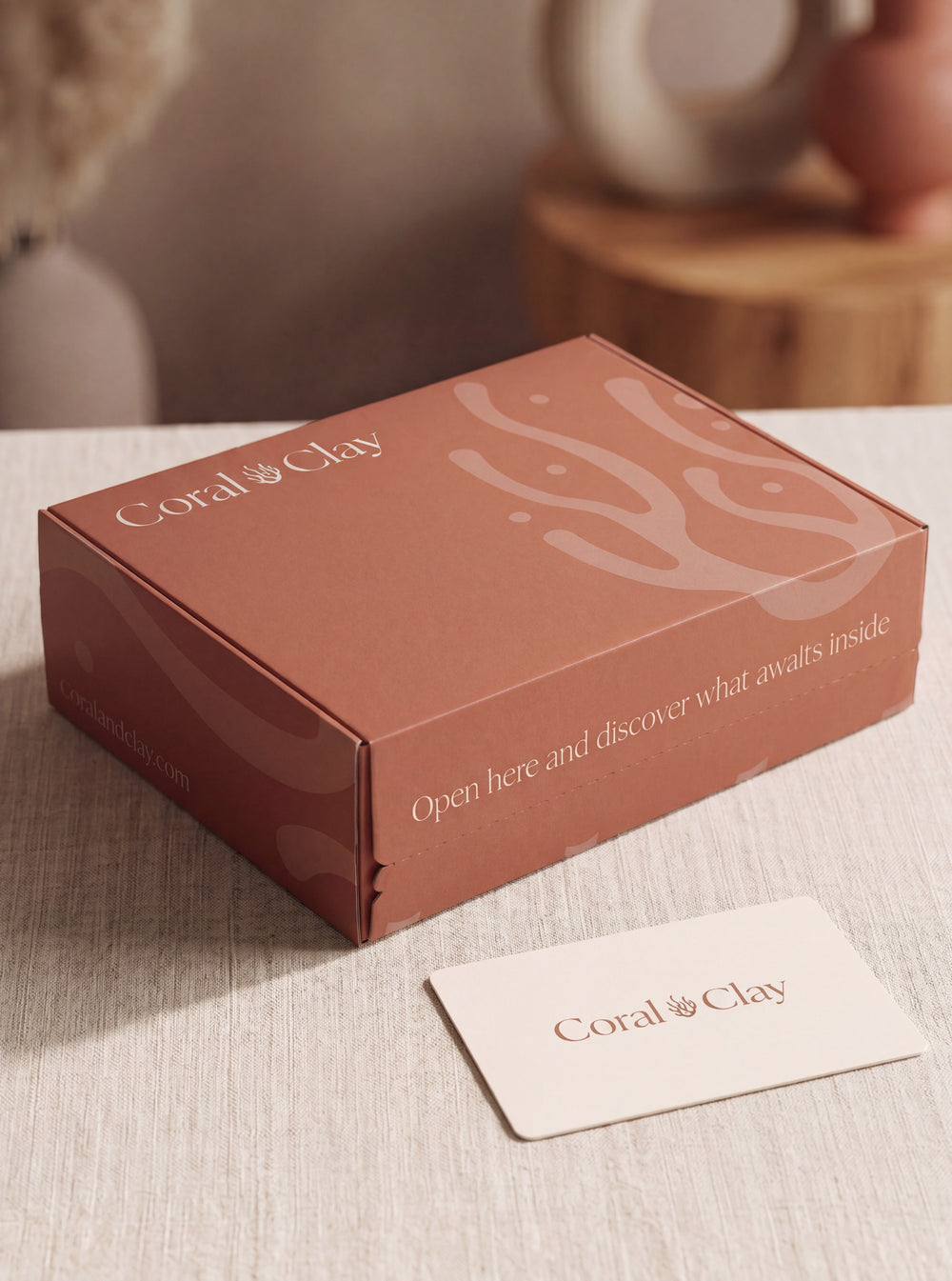
There is no dependable single lead time for a corporate gift project. A standard box delivered to one office is a different job from 250 individually addressed gifts with sourced products and fully printed packaging. The practical answer is to plan backwards from the date the gifts must be in the recipient’s hands.
Set the arrival date first, add a delivery buffer, and then assign deadlines for recipient data, artwork, product approval and production. The earlier those decisions are separated, the less likely one late logo file or address list is to delay the entire project.
This guide is for HR, People, Marketing, Events, Procurement and Executive Assistant teams planning corporate gifts in the Netherlands and across EU member states.
Start with the delivery commitment
“We need the gifts in December” is not yet a deadline. Define the exact outcome before asking for a schedule.
| Question | Decision to record | Why it affects timing |
|---|---|---|
| When must recipients have the gift? | A must-arrive date, not merely a dispatch date | It determines the buffer and latest safe handover to the carrier. |
| Where will gifts go? | One office, several offices, an event venue or individual addresses | Every delivery model creates different data, packing and transport work. |
| How much is fixed? | Quantity, audience, budget and product requirements | Open decisions delay sourcing and make proposals difficult to compare. |
| What must be branded? | Card, insert, packaging, products or a combination | Each production method has its own artwork and approval stage. |
| Who signs off? | One commercial owner and one artwork approver | Unclear ownership turns every revision into a new round of discussion. |
Six factors determine the real lead time
1. Product availability and sourcing
Available products can move into packing sooner than items that must be sourced, manufactured or reserved. A request for a particular colour, maker, material or technical specification narrows the options. Substitutions made late in the process can also change the box layout, artwork or destination suitability.
2. The level of branding
A personalised card or printed insert is a smaller production task than branded merchandise or a fully white-labelled box. Product decoration introduces questions about printable area, material, colour, proofs and minimum quantities. Custom packaging adds structure, dielines, inside and outside artwork and its own quality checks.
Branded packaging normally requires approximately two weeks of production after design approval. That period does not include concept development, product sourcing, artwork, packing or delivery. Use our custom printed gift-box guide when packaging itself is part of the brief.
3. Quantity and variants
A larger quantity takes longer to source, inspect and pack. Variants add another layer: different language cards, dietary alternatives, alcohol-free versions, clothing sizes or recipient names must be allocated correctly. A controlled set of variants is easier to deliver than last-minute one-off exceptions.
4. Approval speed
The supplier can only act on an approved decision. Time spent waiting for budget approval, brand review, legal input, purchase orders or final copy belongs in the project schedule. Internal approval is often the least visible part of the lead time and one of the most important.
5. Recipient data
Individual delivery needs complete, validated addresses and a clear match between each recipient and their message or variant. Set one correction deadline. Repeatedly reopening the list after packing begins creates avoidable errors and rework.
6. Destination and handover
Corporate delivery within EU member states can be consolidated or sent to multiple addresses, but the plan still needs a destination check. Event deliveries also require a named on-site contact, receiving hours, a handover point and a practical arrival buffer. Where possible, allow at least one week between event delivery and the live date.
Choose the project route before estimating the schedule
Standard presentation with available products
This is generally the simplest route: current products, standard packaging, one approved card and either bulk delivery or a clean address list. It can suit smaller recognition moments, urgent thank-yous and straightforward office delivery. Availability and the delivery model still need to be confirmed before a date is promised.
Light-touch branding
A branded card, insert, sleeve, label or ribbon can make the sender clear without putting a logo on every product. This route still needs final copy, approved artwork and a print deadline, but it usually involves fewer dependencies than custom merchandise or fully printed packaging.
Fully printed branded packaging
This route needs enough time to agree the contents and box structure before artwork is finalised. The sequence is normally concept, product fit, dieline, artwork, proof, written approval, production, inspection, packing and delivery. Changing the products after artwork approval can invalidate the layout.
Sourced or branded merchandise
When the brief includes specially sourced products or decorated merchandise, the schedule depends on the confirmed item, supplier availability, decoration method and proofing route. Never build the launch plan around a catalogue estimate alone. Confirm the exact product and production method first, then issue the project schedule.
Plan backwards in seven steps
- Fix the must-arrive date. Record when recipients need the gift, not when the team hopes to dispatch it.
- Add a delivery buffer. Allow for the destination, carrier handover, receiving arrangements and the consequences of a late arrival.
- Reserve packing and quality-control time. Packing includes assembly, recipient matching, final checks and correction of defects.
- Place production before packing. Printed packaging, cards and decorated products must be completed and inspected before the pack begins.
- Set one artwork-approval deadline. Name the person authorised to approve logos, copy, colours, positions and language versions.
- Approve the products and proposal. Confirm contents, quantities, variants, budget and delivery model before production commitments are made.
- Work back to the briefing date. Give the supplier enough information to propose a viable route rather than asking for ideas against an undefined deadline.
For seasonal work, demand and carrier capacity can change the safe schedule. Our corporate Christmas timeline deals specifically with year-end planning.
Give every deadline an owner
| Milestone | Typical owner | Definition of complete |
|---|---|---|
| Brief approved | Programme owner | Audience, occasion, quantity, budget, branding and destinations are documented. |
| Proposal selected | Budget owner or Procurement | The chosen concept, commercial terms and change process are accepted. |
| Products frozen | Programme owner and supplier | Items, variants and permitted substitutions are confirmed. |
| Artwork approved | Brand or Marketing approver | Production files, copy, colours and positions have written approval. |
| Recipient data closed | HR, Events or Operations | Names, addresses, languages and variants are validated. |
| Packing released | Supplier project lead | Products, packaging, cards and allocation data are ready and checked. |
| Delivery accepted | Office or event contact | The receiving contact, access details and handover window are confirmed. |
If two teams believe the other one owns a deadline, nobody owns it. Put the name beside the date and agree what evidence counts as approval.
Three hypothetical planning examples
Employee recognition boxes to one office
Hypothetical example: a People team needs 30 gifts delivered together to its Amsterdam office. It selects available products, standard packaging and one printed message. The critical path is short: approve the concept, confirm stock, finalise the card, pack and deliver in bulk. The office contact and receiving window matter more than complex personalisation.
Branded speaker gifts for an event
Hypothetical example: an Events team needs 120 gifts for a conference. The products are available, but the card and packaging carry event artwork. The schedule must include brand approval, production and an event buffer. Venue receiving hours and the on-site contact are fixed before dispatch. See our event gifting service for the delivery questions that belong in the brief.
Multi-address client gifts with custom packaging
Hypothetical example: an Account team wants 250 gifts sent to individual addresses in several EU member states. The project includes fully printed packaging, two language versions and a small number of approved product variants. The critical path now includes dieline approval, packaging production, recipient-data validation, variant allocation, packing and multi-address dispatch. A late address list can delay the project even when every product is ready.
Common causes of avoidable delay
- asking for a delivery date before quantity and destinations are known;
- approving a product and later discovering it does not fit the packaging;
- sending outdated logos or incomplete brand guidelines;
- requesting feedback from many people without one final approver;
- changing card copy after it has entered production;
- treating a digital visual as proof of physical colour or fit;
- adding names, language variants or dietary alternatives after allocation has begun;
- using an event date without confirming venue receiving arrangements;
- planning to dispatch on the last possible day.
How to shorten a project safely
When time is limited, reduce dependencies rather than compressing every stage.
- Use confirmed available products rather than open-ended sourcing.
- Choose standard packaging with a well-designed card or insert.
- Limit the number of variants and set a firm data deadline.
- Approve one concept instead of requesting many near-identical options.
- Give one person authority to consolidate feedback.
- Use bulk delivery when it genuinely fits the recipient experience.
- Protect the delivery buffer; do not remove it simply because an earlier decision was late.
A simpler gift delivered correctly is usually better than an ambitious concept that arrives after the moment it was meant to mark.
Corporate gift timeline checklist
- The must-arrive date and delivery buffer are recorded.
- Quantity, audience, budget and destinations are confirmed.
- The project route matches the available time.
- Products and permitted substitutions have an approval deadline.
- Artwork has one owner and one written sign-off point.
- Recipient data has a secure format and final correction date.
- Production, packing and delivery are separate stages in the plan.
- Event receiving details are confirmed before dispatch.
- Quality control is scheduled rather than assumed.
- Changes after approval have a clear consequence for cost and timing.
Build a schedule that can survive change
A useful corporate gifting schedule is not the shortest possible schedule. It is one that makes decisions visible, protects the arrival date and leaves enough room to correct a genuine problem.
Coral & Clay develops corporate gift-box concepts around the audience, occasion, budget, branding and EU delivery requirements. Share your brief and must-arrive date, and we will confirm a project-specific route and schedule.