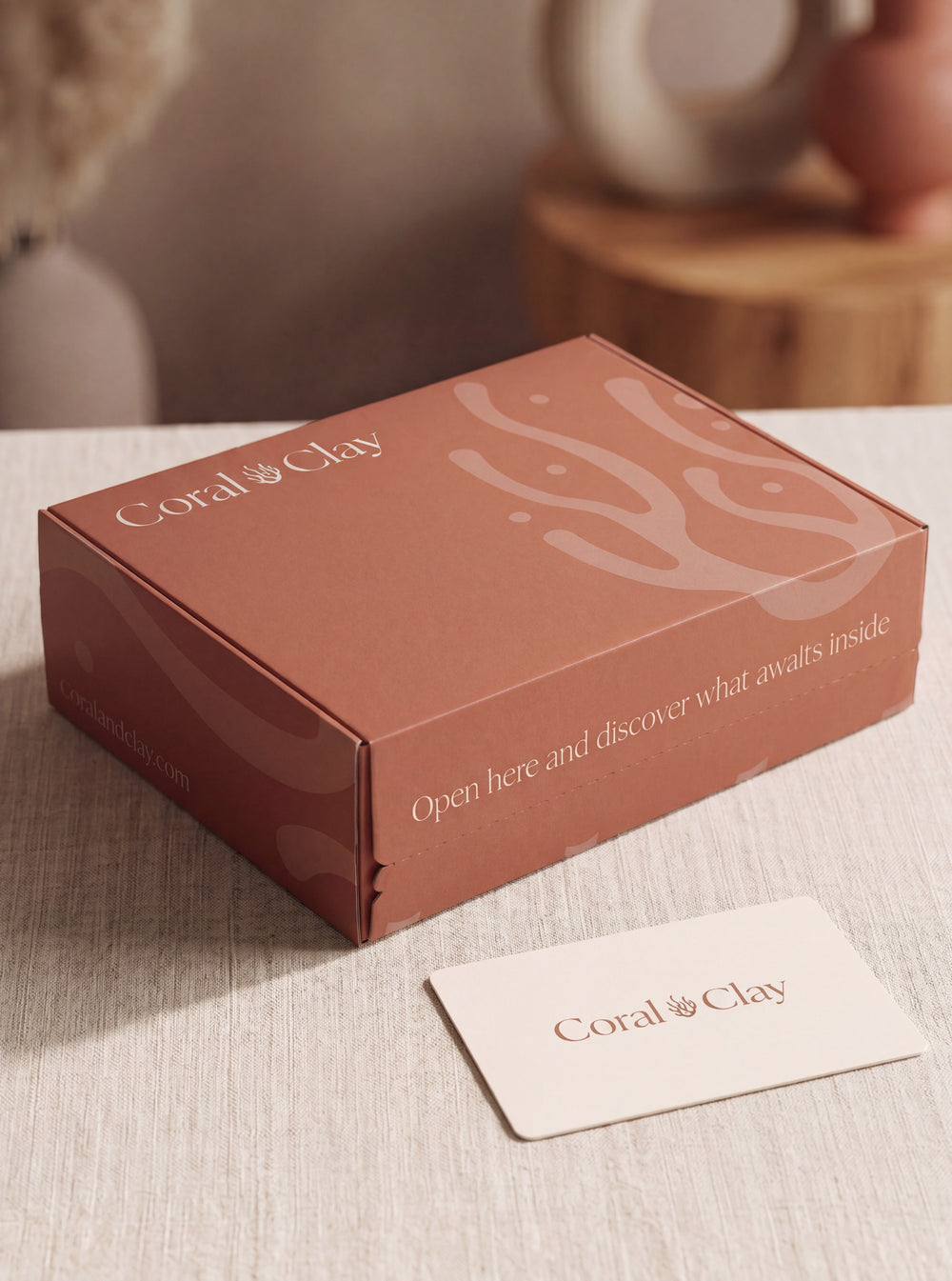
A high-end promotional giveaway works when the right person receives something useful at a deliberate moment. The product matters, but the distribution plan matters just as much. A beautiful item can still disappoint if it is awkward to carry, arrives after the event, runs out before the final session or is handed to everyone without context.
This guide explains how to plan premium giveaways for conferences, launches, exhibitions, executive meetings and other business events. It focuses on recipient criteria, quantities, portability, venue logistics, safety and personal data. If you are still deciding what type of item to choose, start with our guide to high-end promotional gifts.
What makes a promotional giveaway feel high-end?
A premium giveaway is not simply an expensive free item. It feels considered because the object, branding, presentation and moment of handover all support the same purpose. The recipient should quickly understand why they received it and want to keep using it after the event.
In practical terms, a high-end event giveaway should be:
- Relevant: suited to the recipient, occasion and setting.
- Useful: easy to use beyond the event rather than designed only for a photo opportunity.
- Portable: realistic to carry through the venue and, where relevant, take on a train or flight.
- Well presented: with restrained branding and packaging appropriate to the handover.
- Safe and compliant: supported by the necessary product information for its category and destination.
- Operationally sound: counted, labelled, delivered and stored with a named owner.
Giveaway, promotional gift or event gift box?
These terms overlap, but the distribution model is different.
| Format | Best suited to | Main planning issue |
|---|---|---|
| Single premium giveaway | Conferences, exhibitions, launches and selected meetings | Fast, controlled handover and portability |
| Promotional gift | Clients, teams, speakers or partners | Product relevance, quality and branding |
| Event gift box | VIP guests, speakers, remote attendees or hotel-room delivery | Contents, presentation, recipient data and delivery coordination |
A single giveaway is usually easier to distribute at scale. A curated box creates a fuller experience but needs more space, packing time and delivery control. Coral & Clay can develop custom concepts beyond the online range through our event gifting service.
1. Define the purpose before choosing the item
Start with one clear job for the giveaway. Examples include helping attendees during the day, thanking speakers, marking a product launch or giving selected clients a useful follow-up item. If a giveaway is expected to do everything at once, the result is often generic.
Write a short planning sentence:
We are giving [recipient group] a [type of item] at [moment] so they can [practical or emotional benefit].
This gives the project team a simple test for every product and packaging decision. It also prevents budget from being spread across decorative extras that do not support the purpose.
2. Decide exactly who receives one
“All attendees” is a valid choice only when the event format, stock and handover capacity support it. For other events, recipients might be speakers, hosts, customers, prospective customers who attended a particular session, press, partners or an internal event team.
Use criteria that staff can apply consistently. Avoid vague labels such as “important guest” unless the guest list is agreed in advance. Create one final recipient list and name the person responsible for changes. At an open exhibition, use a simple physical marker, invitation list or registration status so the handover team does not have to improvise.
3. Choose the right distribution moment
The best moment depends on what the recipient needs to do next.
- At registration: suitable for items that help during the event, but attendees must carry them all day.
- After a session or demonstration: gives the item context and makes recipient qualification easier.
- During a personal handover: appropriate for speakers, VIP guests and client meetings; include a card if the sender will not be present.
- In a hotel room or at a reserved seat: creates a controlled presentation but requires precise coordination with the venue.
- After the event: useful for bulky, fragile or personalised gifts, provided addresses and consent are handled correctly.
Do not make attendees exchange more personal data than necessary simply to receive an item. When the giveaway is part of lead capture, make the data purpose transparent and keep the gift separate from any consent that must be freely given.
4. Calculate quantities without relying on guesswork
There is no universal contingency percentage. The right buffer depends on registration certainty, walk-in access, speaker changes, damage risk and whether unused stock can be reused.
Build the order quantity from named components:
| Quantity component | Question to answer |
|---|---|
| Confirmed recipients | Which guest list or attendance estimate is authoritative? |
| On-site team | Do hosts, speakers or staff also receive the item? |
| Contingency | What realistic changes or losses must the project absorb? |
| Replacement stock | Can a damaged or incomplete item be swapped immediately? |
| Post-event reserve | Are any recipients receiving theirs later? |
Record who owns the master count, where contingency stock is stored and what happens to leftovers. If leftover items are evergreen and unpersonalised, they may be suitable for a later event. Dated, personalised or event-specific stock needs a more conservative plan.
5. Test portability in the real event journey
Review the whole journey, not just the display table. Will the item fit inside the event bag? Can it be carried with a coat, laptop and luggage? Could it leak, melt or break? Does it contain a battery or another component that may affect travel or shipping?
A useful physical test is to pack the final item exactly as the recipient will receive it and carry it through a typical event day. Check:
- finished weight and dimensions;
- handles, closures and sharp edges;
- protection against leakage or breakage;
- temperature sensitivity and storage conditions;
- instructions, warnings or ingredients that must remain visible;
- restrictions that may affect air travel or cross-border delivery.
If the ideal product is not portable, switch the distribution model. Show a sample at the event and arrange delivery afterwards rather than asking the recipient to manage an impractical package.
6. Use branding that supports continued use
Prominent branding can be appropriate for an internal event or campaign, but it is not automatically more memorable. For items intended for everyday use, a subtle mark, discreet colour cue, removable sleeve or accompanying card often keeps the object more versatile.
Choose the branding method only after confirming the product material, available print area, colour requirements, minimum quantities and lead time. A digital mock-up is useful, but it does not replace checking the final production specification. Specific merchandise and branding methods should always be confirmed for the project.
7. Plan the venue handover as an operation
A courier delivery to a venue is not the same as a completed handover. Before dispatch, confirm:
- the named on-site contact and mobile number;
- the exact entrance, loading point or handover desk;
- the venue’s receiving hours and required delivery window;
- how every carton must be labelled;
- the number of cartons and items per carton;
- where stock will be stored securely;
- who moves it to the distribution point;
- how remaining and damaged stock will be recorded.
Where practical, build at least a one-week buffer into event delivery planning. This is planning guidance, not a delivery guarantee: the appropriate schedule depends on product sourcing, artwork approval, production and destination. The earlier buffer gives the team time to correct a count or packing issue before guests arrive.
8. Check product safety even when the item is free
Under the EU General Product Safety Regulation, making a product available in the course of a commercial activity includes supply free of charge. The general principle is that only safe products may be made available in the EU. The exact obligations depend on the product category and the role of each economic operator, so confirm the applicable documentation, labelling, traceability, warnings and responsible operator before ordering. See the EUR-Lex summary of Regulation (EU) 2023/988.
Pay particular attention to electrical items, batteries, food, cosmetics, children’s products and anything that comes into contact with food or drink. A giveaway should not lose necessary safety information when it is repacked or branded.
9. Minimise and protect recipient data
Named handovers, personalisation and post-event delivery can involve names, email addresses, phone numbers, dietary information or home addresses. Collect only what is necessary for the stated purpose, tell recipients how it will be used, restrict access and delete it when it is no longer needed. The European Data Protection Board’s data protection basics provide a useful starting point.
Agree in writing which party supplies the data, which party decides its use, who can access it and when it will be deleted. Avoid sending open spreadsheets through long email chains. If delivery addresses are needed, separate the operational file from the wider event attendee list.
10. Check recipient gift policies
Some organisations limit the value or type of gifts their people may accept. Ask the buyer to confirm relevant employer, procurement or public-sector rules before the concept is approved. In the Netherlands, for example, the national government states that civil servants may not accept gifts or services worth more than €50. This is a specific public-sector rule, not a universal limit; see the Rijksoverheid guidance on government integrity.
When the policy is uncertain, a useful lower-value object, donation-based alternative or event tool may be more appropriate than a prestige gift.
A practical pre-event checklist
- The purpose and recipient criteria are written down.
- The distribution moment and stock owner are confirmed.
- The master quantity includes justified contingency and replacements.
- A fully packed sample has passed the portability test.
- Branding, artwork and product specifications are approved.
- Product documentation, warnings and labelling have been checked.
- The venue contact, receiving hours, labels and storage are confirmed.
- Any recipient data has a defined purpose, access rule and deletion date.
- Recipient gift policies have been checked where relevant.
- Leftover, damaged and post-event stock have an agreed destination.
Build the giveaway around the event, not just the object
The strongest promotional giveaways are useful objects supported by a clear recipient, a sensible handover and disciplined logistics. That combination protects the experience from the practical problems that can make even an attractive product feel careless.
Coral & Clay creates custom corporate and event gifting concepts for delivery across EU member states. If you need help shaping the item, presentation and distribution plan together, request a corporate gifting proposal.