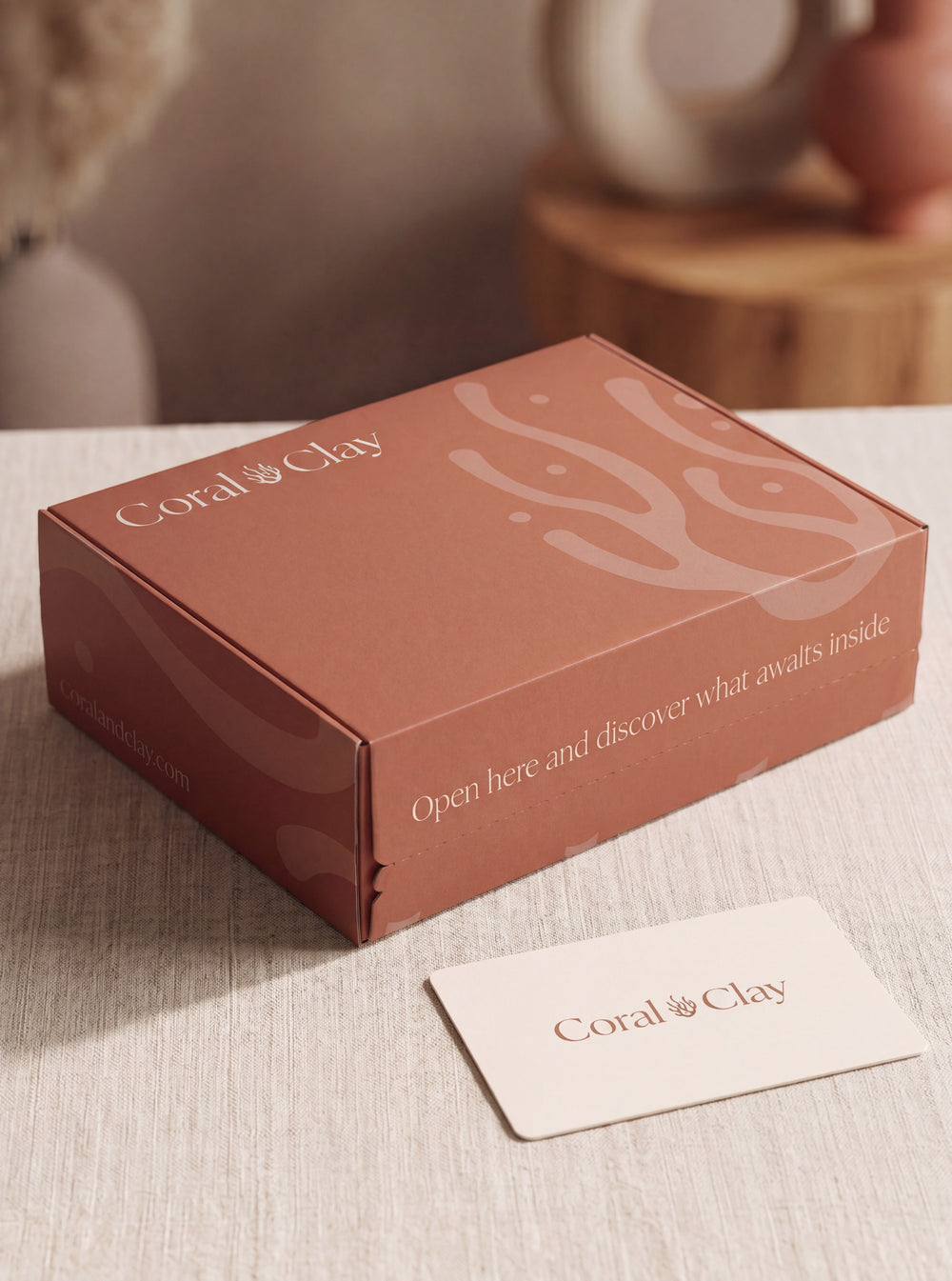
A high-end corporate gift works when it feels appropriate to the relationship, useful or enjoyable to the recipient, and effortless to receive. Price alone does not create that effect. The strongest client gifts combine thoughtful selection, restrained branding, polished presentation and a clear plan for delivery.
This guide helps marketing, sales, procurement and executive-support teams choose premium client gifts for recipients in the Netherlands and across Europe. It covers the decisions that matter before you request proposals or approve a gifting programme.
Start with the relationship, not the product
Before comparing products, define why the gift is being sent. A thank-you after a completed project calls for a different gesture from a year-end programme, a partnership anniversary or a gift for a conference speaker.
Use four questions to shape the brief:
- Who is receiving it? Consider the person's role, interests, location and relationship with your organisation.
- Why now? Name the occasion or message the gift should reinforce.
- What should it communicate? Appreciation, welcome, recognition and celebration each lead to different choices.
- How will it be received? Decide whether gifts will be handed over personally, delivered to an office or sent directly to individual addresses.
For senior stakeholders or particularly important moments, a more generous VIP gift may be appropriate. For a broader client programme, consistency and recipient relevance usually matter more than choosing the largest format.
A practical framework for choosing a premium client gift
| Situation | Useful direction | Personalisation | Checks before ordering |
|---|---|---|---|
| Project thank-you | Curated food, home or lifestyle selection | Personal message linked to the work completed | Dietary needs, delivery address and recipient policy |
| Partnership milestone | Lasting item combined with a considered gift-box experience | Recipient name, anniversary message or subtle brand detail | Appropriateness, timing and presentation |
| Conference speaker or event guest | Compact, useful gift that is easy to transport or deliver | Event message, branded insert or selected merchandise | Travel, venue logistics and different recipient groups |
| VIP or executive relationship | More tailored curation around the individual and occasion | Discreet personalisation rather than prominent logos | Acceptance policy, preferences and delivery coordination |
| Recurring client programme | Repeatable format with room for personal messages or variants | Consistent brand presentation with recipient-level details | Data process, address changes, triggers and stock planning |
What belongs in a high-end corporate gift?
A premium gift does not need to be dominated by a famous brand. It needs a coherent point of view. The products, packaging and message should make sense together.
Depending on the brief, useful directions can include:
- Food and drink: a focused selection designed around an occasion, season or shared moment, with dietary and destination requirements checked.
- Home and lifestyle: well-made objects that feel considered and are easy to use beyond the day of delivery.
- Wellbeing: calm, practical products chosen without making assumptions about a recipient's health or personal circumstances.
- Work and travel: notebooks, drinkware, organisers or technology accessories where quality, usefulness and branding method have been confirmed.
- A specific requested item: a book, edition or relevant product researched for the audience and incorporated when sourcing, dimensions, cost and delivery allow.
Coral & Clay's online collection is a starting point rather than the limit of what can be created. Our corporate projects can combine ready-made gift boxes, supplier-network sourcing and custom-branded merchandise within one considered gifting experience. Availability, minimum quantities, production time and packaging suitability remain project-dependent.
You can browse client gift options for inspiration or use the framework above to brief a bespoke concept.
Personalise the experience without turning it into merchandise
Branding should help the recipient understand who the gift is from; it should not overwhelm what the gift is for. A large logo on every object can make an expensive gift feel promotional, while a well-written message and coherent presentation can make a simpler selection feel distinctly personal.
Consider personalisation at three levels:
- Message: explain why this person is receiving the gift. Specificity carries more meaning than a generic thank-you.
- Presentation: use packaging, colours, cards or inserts to create a consistent brand experience.
- Product: add names, engraving or selected branded merchandise only where the method suits the item and recipient.
A Signature gift box can suit many client occasions, while a Grand gift box can support a more generous milestone or VIP gesture. The final choice should follow the brief rather than box size alone.
Set the budget around the complete programme
A useful budget covers more than products. Include packaging, personalisation, printed material, assembly, address handling, individual or bulk delivery, destination-specific requirements and a contingency for changes.
Avoid applying one arbitrary spend level to every client. Instead, create sensible tiers based on the relationship and occasion, then define what must stay consistent across them. Presentation, message quality and accurate delivery should not disappear in the lower tier.
For Dutch VAT, the Dutch Tax Administration explains that a threshold of € 227 excluding VAT applies per recipient per financial year to gifts, business gifts and certain staff provisions. The detailed treatment depends on the circumstances and cumulative annual expenditure. Check the current Dutch Tax Administration guidance and obtain tax advice where needed.
Check acceptance policies before selecting the gift
The recipient's organisation may restrict what employees can accept, particularly in regulated sectors, procurement roles and the public sector. Ask about the relevant policy before ordering a high-value or personalised gift. A gift that must be refused creates work for the recipient and undermines the intended gesture.
Dutch public-sector integrity standards illustrate why this matters: government employees can face strict limits on accepting gifts or services. Review the recipient's own rules and use the current Dutch government integrity guidance when gifting public officials.
Also consider conflicts of interest, active tenders and local anti-bribery rules. When in doubt, choose a modest, transparent gift or ask the organisation whether a shared team gift or charitable alternative is more appropriate.
Plan recipient data and European fulfilment carefully
Direct-to-recipient delivery can make a programme more personal, but it also requires accurate personal data. Collect only the information needed for the delivery, explain why it is being collected, limit access and agree when it will be removed. These steps reflect the EU principles of purpose limitation, data minimisation and storage limitation described by the European Commission.
For multi-country programmes, confirm each destination before finalising the contents. Food, alcohol, liquids, batteries, fragile items and plant-based materials can create carrier, customs or destination restrictions. Address formats, local holidays and handover arrangements may also differ.
Prepare a fulfilment brief containing:
- recipient count and destination countries;
- bulk or individual delivery method;
- required delivery window rather than an unsupported guaranteed date;
- address-collection owner and data-retention approach;
- dietary, cultural or recipient-choice requirements;
- packaging, message and branding variants;
- a process for returned parcels and address corrections.
Questions to ask a corporate gifting partner
- Which elements are ready-made, sourced to brief or custom-produced?
- What minimum quantities apply to the selected products and branding methods?
- When are artwork, proofs, recipient data and final quantities required?
- Can the proposed items be packed and delivered safely to every destination?
- How will substitutions or stock changes be approved?
- Can bulk and individual fulfilment be combined?
- What information is needed from recipients, and how will it be handled?
Clear answers make proposals easier to compare and reduce late changes. They also help protect the recipient experience, which is the part the client ultimately sees.
High-end client gifting with Coral & Clay
We create considered gifting experiences for clients, partners, conference speakers, executives and VIPs. A project can begin with a ready-made box or a bespoke brief, then bring together relevant products, optional white-label packaging, personalised messaging and an appropriate fulfilment approach for the Netherlands and Europe.
For bespoke sourcing, product availability, minimum quantities, branding methods, timing and destination coverage are confirmed as part of the proposal rather than assumed in advance.
Share your audience, occasion, budget, brand requirements and destinations through our corporate gifting service, and we will help shape a client gift that feels appropriate from selection to delivery.
Frequently asked questions
How much should a high-end corporate gift cost?
There is no universal amount. Set a tier that reflects the relationship, occasion, recipient policy and complete programme cost. Include packaging, personalisation and fulfilment rather than comparing product prices alone.
How far ahead should we order personalised client gifts?
Timing depends on the products, quantities, branding method, proofing and destinations. Begin early enough to confirm these variables and ask for a project-specific schedule before communicating a delivery date.
Can corporate gifts be branded without feeling promotional?
Yes. Keep branding proportionate and use packaging, inserts, messages or selected merchandise to create a coherent experience. The recipient and occasion should remain more prominent than the logo.